

Vaping has become a popular alternative for many adults seeking to move away from traditional smoking. Something that new and experienced vapers want to know more about is how to vape safely. That’s because as years of vaping data are accumulating, people are able to access more information, and want to know what the emerging best practices and warnings are.
While no form of inhaling aerosol is completely risk-free, adopting safe vaping practices can support vaping harm reduction and promote responsible use. With a few practical steps, you can build in new habits that can make vaping more fun and help protect your health, too.
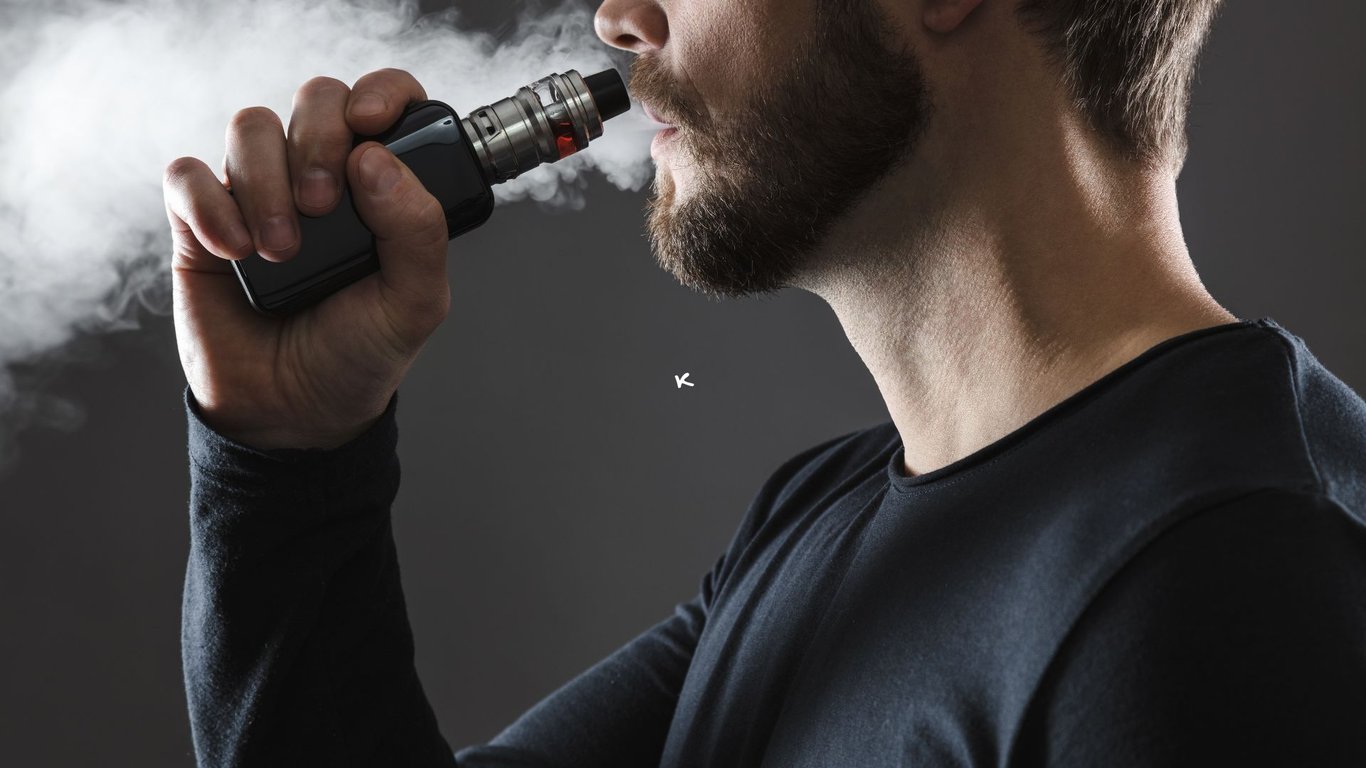
What Does “Vaping Safely” Really Mean?
For those new to vaping, vape safely for beginners starts with education and moderation. Safety also includes awareness that vaping is not harmless, but following vaping safety tips can make it a lower-risk option compared to combustible tobacco for adults who would otherwise smoke. Like with anything else, it’s good to know some proper techniques, so you don’t unnecessarily expose yourself to undue risks.
For example, many people don’t take into account how they vape (how much and how fast they puff). Chain vaping is a common issue that some people don’t even realize they are doing. Fast vaping without breaks between puffs can feel like a rush at the time, but it can make some people react adversely. It’s okay to take your time between puffs and even between vape sessions. Enjoying the fun of vaping without overdoing it, and getting a kick from nicotine (if you use nicotine vapes; some people use nicotine-free, or switch between these), can both be part of your experience.
Common Vaping Risks to Be Aware Of
As time goes on, more people wonder if vaping has any long-term effects, and also if it can cause any negative reactions in the short term. Potential risks include exposure to chemicals in aerosols, nicotine dependence (if using nicotine-containing liquids), throat irritation, dry mouth, and in rare cases, device malfunctions like overheating.
Long-term effects are still being studied, but issues like lung problems or heart failure have been noted in some research. Overuse can potentially make these worse, and poor-quality products may introduce contaminants. Staying informed by reading about vaping and your lungs can give you the latest information so you can avoid or reduce adverse effects.

10 Ways To Vape As Safely As Possible
- Opt for devices and accessories from trusted sources that comply with safety standards. Look for clear labeling and third-party testing to avoid contaminants. When you purchase products from I Love Ecigs, for example, you can be sure they are from top quality brands.
- If using nicotine, begin with lower concentrations and build up as you go. Vapes come in lots of nicotine strengths, so test out a few so you get the experience you want, and help prevent throat harshness, too. Gradually adjusting strength is a good way to make transitioning from smoking easier.
- Select liquids with simple, disclosed ingredients. Avoid unregulated or homemade options, as they may contain harmful additives. Reputable e-liquids minimize exposure to unnecessary chemicals.
- Make a habit of regular cleaning and coil replacement to prevent buildup of residue. That can lead to off tastes or increased chemical exposure. Follow manufacturer instructions. It’s always a good idea to get rid of a coil if you think it’s about burnt out, than to keep using it and risk a bad taste and potential burning off of various vape elements.
- Avoid overly deep or frequent inhales. Proper technique reduces irritation and can potentially help people who are looking for how to vape without hurting lungs. Go easy and build up to a level that works for you. You will learn how your body responds and adjust your vaping style.
- Set limits on puffs per session or day. Excessive vaping can increase exposure to aerosols, so moderation will help lower risks.
- Keep devices and liquids out of reach of children and pets, as nicotine (if present) can be toxic if ingested. Put them in a secure cabinet or locked container.
- Stop immediately if you experience unusual tastes, coughing, shortness of breath, or discomfort. A bad taste often signals an issue with the coil or liquid.
- Vaping can cause dry mouth, so drink plenty of water. Regular breaks help your body recover and reduce potential irritation to airways.
- Use devices that have overcharge prevention, temperature control, and short-circuit safeguards. Always follow vape battery safety guidelines.
When Vaping Might Not Be Right for You
Often, people like to vape as part of hanging out with their circle of friends. It’s okay to look for ways to have fun with the crowd. In addition, some people have specific reasons why they vape that are theirs alone.
Vaping can work for some people as a way to switch from smoking. It's not recommended for non-smokers, youth, pregnant individuals, or those with certain health conditions like lung or heart issues. If you don't already use nicotine products, the CDC says don’t start.
Consult your doctor if you're unsure, and look into smoking cessation methods if quitting is your goal.