


















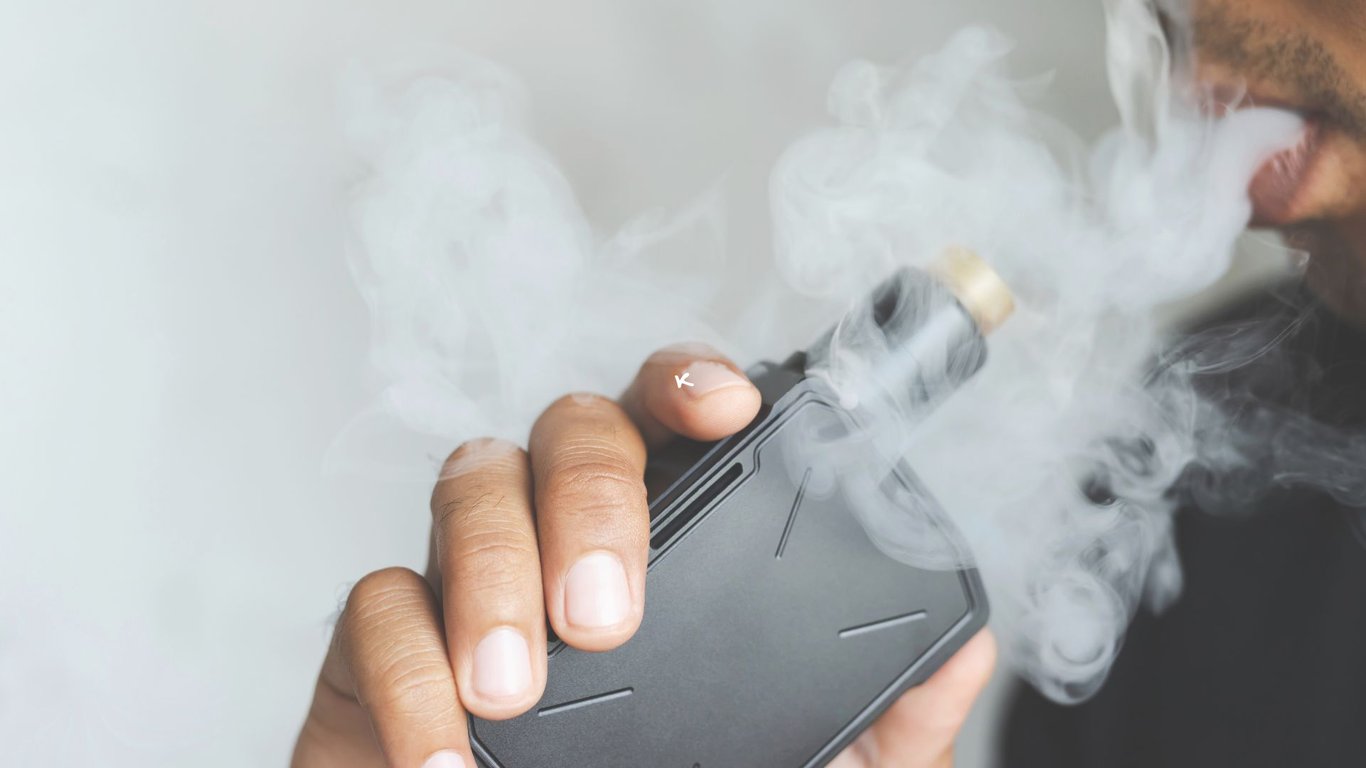
The simple question “which of the following may be inhaled when vaping” has a complex answer. Unlike cigarette smoke, vape aerosol is not produced by burning tobacco, yet it is not pure water vapor, either. Every puff delivers a varied lineup of intended and unintended substances. These can change per the user’s device settings, coil condition, and even puffing style.
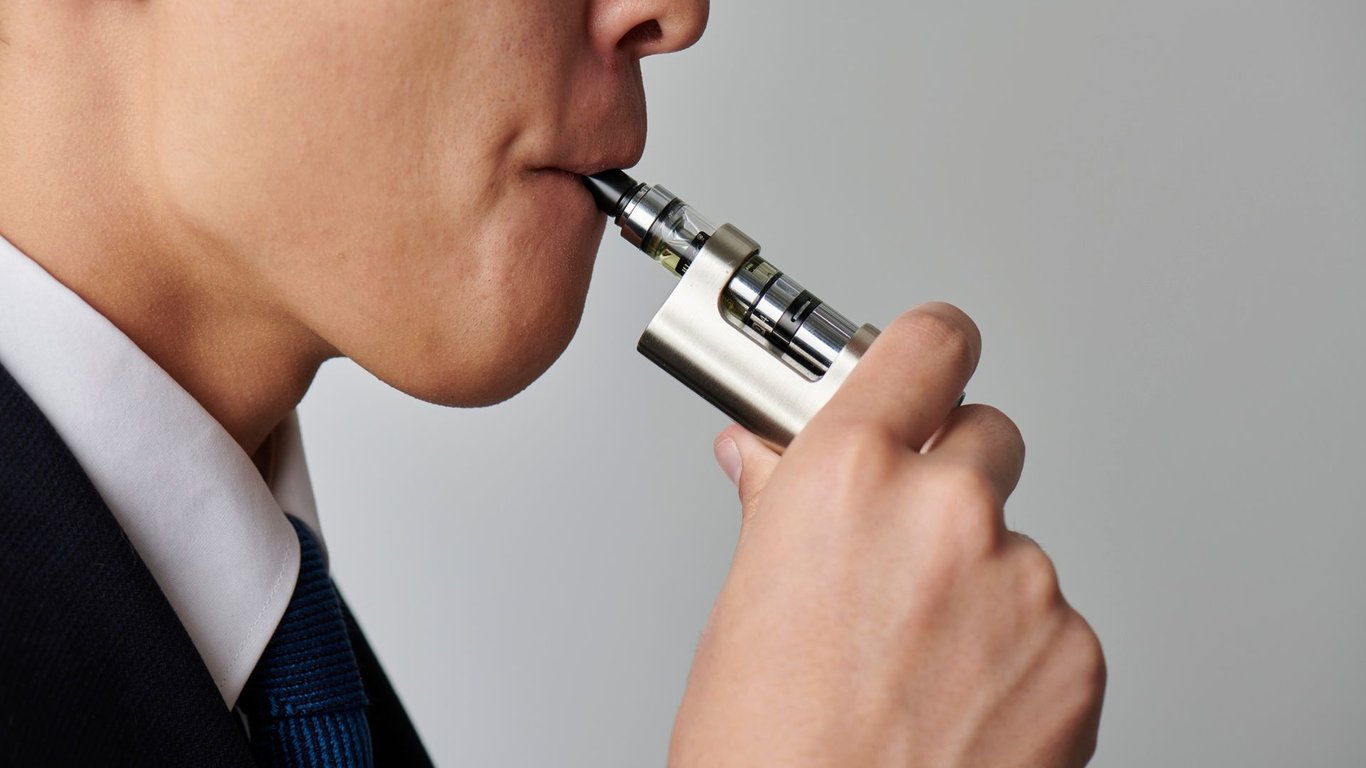
What’s In Vape Aerosol vs Smoke
Cigarette smoke contains over 7,000 chemicals, 70+ proven carcinogens, tar, and carbon monoxide from burning plant matter. Vape aerosol, according to studies, is less harmful, and contains ultrafine particles, volatile organic compounds, and heavy metals. For those seeking alternatives to smoking, e-cigs can provide an option.
Base Liquids PG and VG
What PG VG in vaping means: Propylene glycol (PG) can dehydrate and irritate airways. High-vegetable glycerin (VG) juices can irritate the throat less, but increase visible secondhand vape aerosols.
Nicotine (If Used)
This depends on the type of vape juice; not all e-liquids contain nicotine. If nicotine is present, it will be either freebase nicotine or smoother nicotine salts. Salts feel almost cigarette-like without harshness. Nicotine salts vs freebase? Some people are worried that making ecigs less harsh on the throat makes it easier for younger users (and anyone) to incorrectly estimate how much nicotine they’re using.
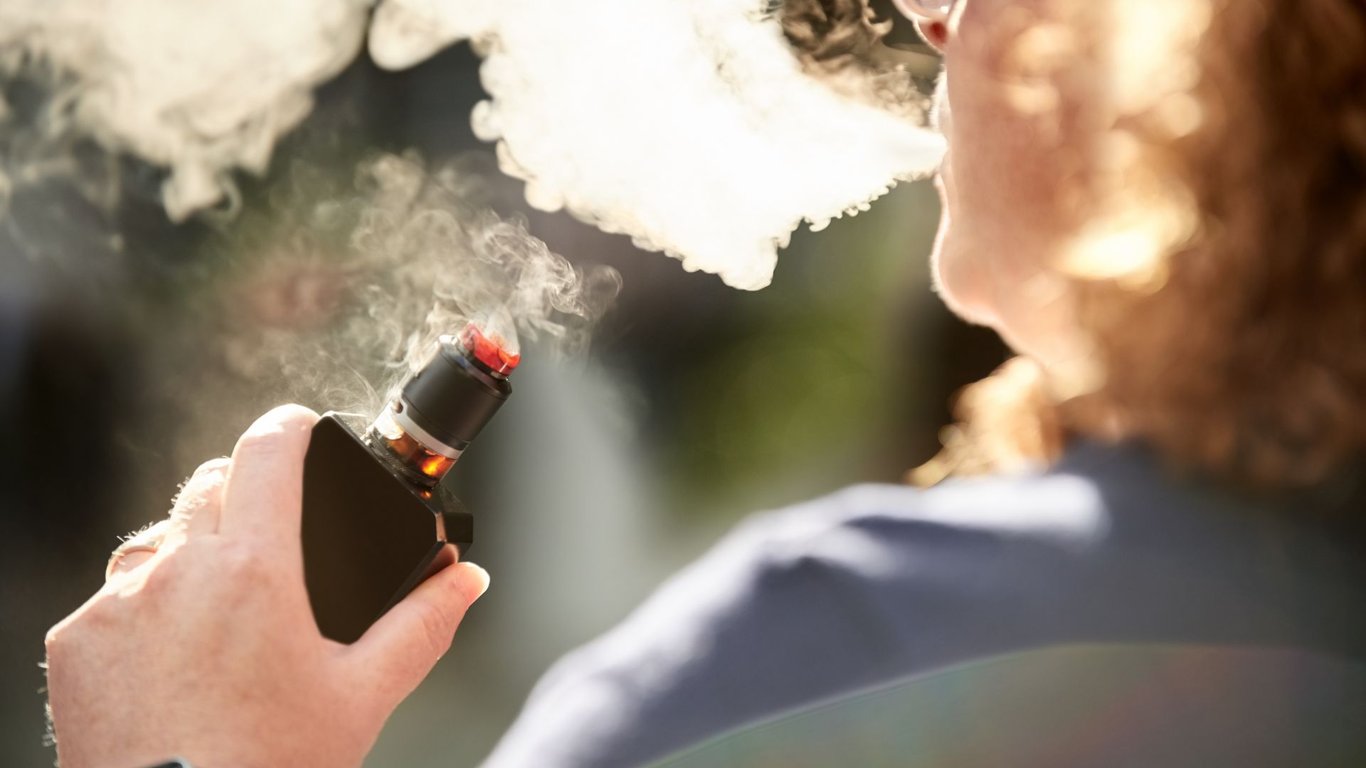
Flavoring Compounds
You wouldn’t think flavorings could pose health issues, but some can. Diacetyl and diketones were linked to irreversible lung scarring (bronchiolitis obliterans) in microwave-popcorn factory workers. After these issues surfaced, many manufacturers removed diacetyl from popcorn. It remains in some e-cigarettes, and substitutes (acetyl propionyl, acetoin) are still under scrutiny.
Thermal Byproducts (When Things Get Hot)
Keeping the heat down can help vapers reduce inhalable toxins. Temperature wattage and coil effects contribute to this: a “dry puff” at high voltage can produce dangerous chemicals. Regular vapers who avoid dry hits and burnt taste chemicals inhale far fewer chemicals than vapers who like clouds, which require vaping at higher heat.
Metals and Particulates Can Leach from Hardware
Vape hardware can break down, literally leaching into the aerosol, posing health risks. Metals get into vape aerosol; they originate from coil wire (nichrome, Kanthal®, stainless steel), solder joints, and even tank glass. Nickel, chromium, lead, cadmium, and tin have all been measured at levels exceeding California Prop 65 limits in some devices, especially cheap counterfeits and after prolonged coil use.
Device Settings That Change What You Inhale
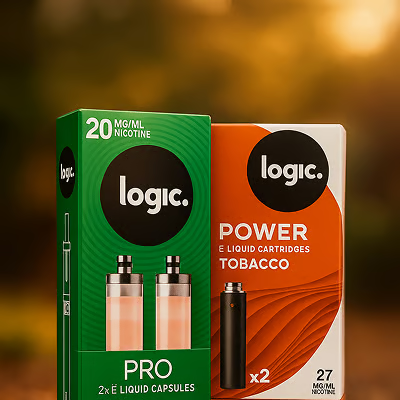
How can vapers reduce their risk of inhaling toxins? It’s important to watch the temperature wattage and coil effects. Mouth-to-lung devices at 8–15 W produce minimal aldehydes; direct-lung sub-ohm rigs at 80–200 W can multiply toxic output of aldehydes and acrolein. New temperature-control chips help, but many users override them because they want bigger vapor clouds. For simple, lower-wattage options, consider a Logic Pro Vaporizer.
Secondhand and “Passive” Aerosol
It can contain measurable nicotine (unless a person vapes nic-free e-cigs), propylene glycol, glycerin, ultrafine particles, and flavor chemicals that deposit on surfaces. While lower than tobacco smoke, these chemicals are not at zero.
Who Should Be Extra Cautious
Vapers aren’t the only ones at risk from breathing in ecig vapor. Vapers should be careful around non-smokers, teenagers, pregnant women, infants whose lungs are still developing, and people with cardiovascular or respiratory disease. For adult smokers who switch completely, people who vape inhale fewer overall toxins than people who smoke tobacco. With that said, that is not an endorsement of vaping as completely safe.
How To Read E-Liquid Labels and Choose Safer Options
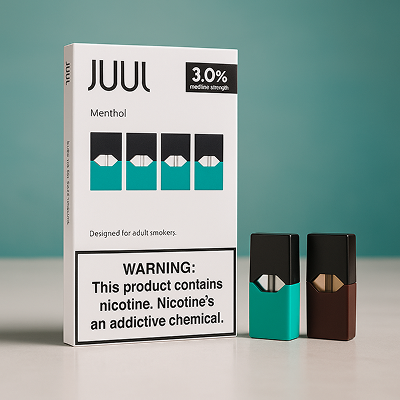
Always examine the vape ingredients label. Reputable brands list exact PG/VG ratio, nicotine strength and type, and often provide batch-specific lab reports. Look for “diacetyl-free” and “acetyl propionyl-free” certifications. Go for simpler flavor profiles, lower nicotine concentrations, replace coils before they gunk up, and keep wattage moderate. A good example of a simple product is the JUUL Slate Device.

Shop I Love Ecigs for Quality Vape Products
While we’ve shared a lot of data, it can help vapers make educated decisions. With more studies available these days, vapers can access information to stay informed. Plus, it’s important to use vape devices per manufacturers’ instructions to help keep risks at a lower level. Another way to reduce risks is to purchase vapes and accessories from trustworthy retailers.
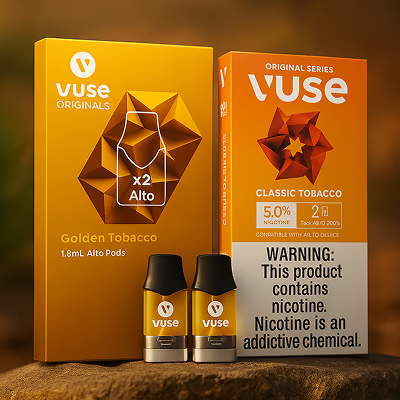
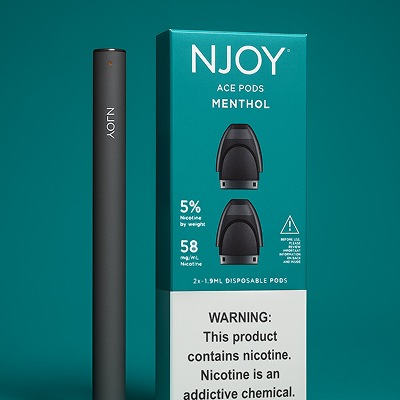
I Love Ecigs sells a full line of name-brand vape products. Check out our online store for all your vaping needs. We sell top-rated devices and products from trusted brands like Logic, Jinx, Juul, Blu, and Vuse. View our product line for a great vape selection!
FAQs
Q) What is in vape aerosol?
A) Most people think it’s only flavoring and perhaps nicotine. You may also breathe in PG, VG, trace metals, and thermal breakdown products. Check inhalation safety data sheets.
Q) How do formaldeh VBHyde and acrolein form when vaping?
A) These mostly are created when the ecig overheats; high wattage and dry puffs multiply them.
Q) Between nicotine salts and freebase, which don’t cause as much throat discomfort?
A) Nicotine salts vs freebase feel smoother, so users tend to prefer inhaling the nic salts.
Q) Are Diacetyl and diketones still a danger when vaping?
A) These were mostly phased out after popcorn-lung problems were discovered.
Q) What exactly is secondhand vape aerosol composed of?
A) It can contain nicotine (unless the ecig is nic-free), ultrafine particles, and volatiles, though below secondhand smoke levels.