






















Alex Wilks | May 14, 2026
If you’ve spent more than five minutes online looking into vaping, you’ve probably seen someone mention “popcorn lung.” TikTok comments, YouTube videos, random Reddit threads—the phrase gets thrown around constantly whenever people talk about vaping and lung disease. But here’s the thing: a lot of the information online is either outdated, exaggerated, or just flat-out wrong. So, what is actually true about popcorn lung in 2026? Can vaping really cause it? Is it still something people should worry about today? Continue reading if you want to break it all down without the fear-mongering or weird internet myths.

What Is Popcorn Lung?
First things first: what is popcorn lung? “Popcorn lung” is the nickname for a rare lung condition called bronchiolitis obliterans, sometimes referred to as obliterative bronchiolitis in vaping communities. This disease damages the smallest airways in the lungs, making it harder for air to move properly.
Moreover, the origin of the nickname came from a group of microwave popcorn factory workers in the early 2000s who developed lung problems after inhaling large amounts of a chemical called diacetyl. Essentially the workers were breathing concentrated chemical fumes every single day in industrial environments—not casually eating popcorn.
What Causes Popcorn Lung?
Popcorn lung happens when the tiny airways in the lungs become inflamed and scarred over time. However, several things can potentially trigger it, including:
- Industrial chemical exposure
- Toxic fumes
- Severe respiratory infections
- Certain workplace hazards
- Long-term inhalation of harmful substances
Is popcorn lung real? Yes, absolutely. The condition itself is very real. But the internet often oversimplifies how it actually develops. While the biggest chemical connected to the disease is diacetyl, that doesn’t mean vaping is the cause of it. Let’s dive deeper.
What Is Diacetyl and Is It in Vape Juice?
Diacetyl is a flavoring chemical that creates buttery or creamy flavors. It was widely used in microwave popcorn manufacturing, which is why the disease got its nickname. However, the connection between popcorn lung and vaping began many years ago in the early stages of e-cig development—some contained diacetyl in vape juice, particularly dessert and custard flavors. This is where the concern around popcorn lung and e-cigarettes truly started.
Here’s the thing: the vaping industry has changed dramatically and in 2026, reputable vape brands like those available on I Love Ecigs are:
- Avoiding diacetyl entirely
- Using alternative flavoring ingredients
- Providing ingredient transparency
- Following stricter manufacturing standards
Keep in mind that while we only sell high-quality devices and vape juices, that doesn’t mean every product on the market is automatically safe. Cheap, unregulated, or counterfeit vape products still raise concerns.
Can Vaping Actually Cause Popcorn Lung?
This is the question everyone asks: can vaping cause popcorn lung? The reality is that there are no confirmed cases directly linking regulated nicotine vaping products, like those sold on iloveecigs.com, to popcorn lung. While social media frames the condition as a vaping issue, actual medical evidence is lacking—with the confusion mostly stemming from the historical connection between diacetyl and older vape juices. That said, scientists are continuing to research vaping and lung disease overall because inhaling anything other than clean air carries some level of risk.
What Does the Research Say?
Research around vaping is still evolving, especially because vaping hasn’t existed nearly as long as traditional cigarettes.
Here’s what current research generally suggests about popcorn lung 2026 discussions:
- Diacetyl exposure at high industrial levels can damage lungs
- Some older vape liquids contained diacetyl
- Many modern regulated vape products reduced or removed it
- There are currently no medically confirmed popcorn lung cases caused by vaping nicotine e-liquids alone
There are still concerns about:
- Unknown impacts of certain flavorings
- Counterfeit products
- Unregulated disposable vapes
Symptoms of Popcorn Lung to Watch Out For
The symptoms of popcorn lung can develop slowly over time and can include:
- Persistent coughing
- Wheezing
- Shortness of breath
- Fatigue
- Chest discomfort
- Difficulty exercising
- Breathing problems that don’t improve
As with many respiratory conditions, even those unrelated to vaping, ongoing breathing problems should always be taken seriously. If symptoms continue or worsen, getting medical advice is important.
How to Reduce Your Risk While Vaping
Even though there’s no confirmed direct connection between vaping and lung disease, lowering your exposure to potentially harmful substances is still smart. Listed below are some practical ways people reduce vaping risks in 2026.
1. Buy From Reputable Brands and Vendors
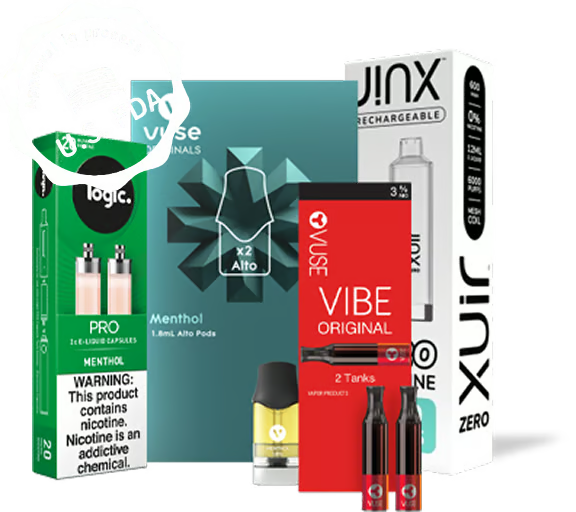
Avoid random counterfeit disposables or sketchy gas station products with zero ingredient transparency. Buy from iloveecigs.com where we only sell FDA-approved products.
Trusted vape brands usually provide:
- Ingredient testing
- Product authentication
- Better manufacturing standards
- Clear nicotine labeling
If a product doesn’t explain what’s inside it, that’s a red flag. The fewer mystery ingredients, the better.
2. Watch for Excessive Use
Heavy vaping all day every day may increase irritation and respiratory discomfort.
3. Stay Updated on Research
Vaping science changes fast. Staying informed helps users make smarter decisions instead of relying on panic-driven social media posts.
4. Don’t Ignore Lung Symptoms
If someone experiences persistent breathing issues, chest tightness, or worsening respiratory symptoms, it’s important to speak with a healthcare professional.
FAQs About Popcorn Lung and Vaping
Q) Is popcorn lung real?
Yes. Popcorn lung is a real lung disease called bronchiolitis obliterans.
Q) Can vaping cause popcorn lung?
Currently, there are no confirmed cases directly connecting regulated nicotine vaping products to popcorn lung.
Q) Is diacetyl still in vape juice?
Some older vape products contained it, but many reputable vape manufacturers now avoid or limit diacetyl in vape juice.
Q) Are popcorn lung e-cigarettes still a concern?
The concern mostly comes from older vaping products and misinformation online. Modern regulated products have changed significantly compared to early vape liquids.
Q) What are the symptoms of popcorn lung?
Common popcorn lung symptoms include coughing, wheezing, shortness of breath, and fatigue.
Q) Does vaping cause lung damage?
Research into vaping lung damage is still ongoing. While vaping is generally considered less harmful than smoking traditional cigarettes, it is not considered completely risk-free.