


















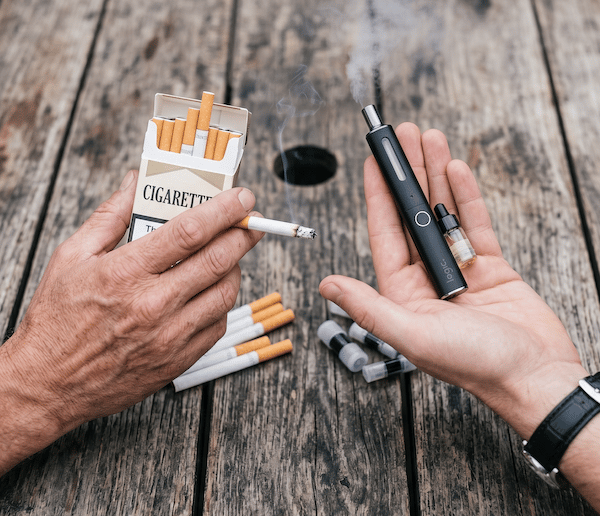

For many long-time smokers, switching from smoking to vaping is less about trends and more about finding a practical alternative to traditional cigarettes. A growing number of adult smokers are making the move to e-cigs as part of their smoking cessation vaping 2026 plans, especially those looking to reduce smoke exposure, lingering odours, and the routine associated with combustible tobacco. While the smoking to vaping transition can feel unfamiliar at first, particularly for people who smoked for decades before trying modern vape products. The good news is that many former smokers notice lifestyle and physical changes once they successfully make the switch. Thus, understanding what to expect when switching to vaping can make the process smoother, more manageable, and far less frustrating.
Why People Switch From Smoking to Vaping
People switch for different reasons, but most adult smokers looking into vaping as a smoking alternative are searching for a cleaner, more flexible experience than traditional cigarettes provide.
Some of the most common reasons include:
- Reducing cigarette smoke exposure
- Eliminating smoke smell on clothing and in vehicles
- More nicotine strength options
- Better control over usage habits
- Cost savings over time
- Convenience and portability
For many older smokers, quitting cigarettes with a vape also feels more familiar than other nicotine replacement methods because vaping still maintains part of the hand-to-mouth ritual associated with smoking.
What Happens to Your Body When You Make the Switch?
One of the first things people notice during the smoking to vaping transition is the absence of smoke itself. Combustible cigarettes produce tar and combustion byproducts, while e-cigs heat liquid into vapor instead.
As a result, some smokers report:
- Improved sense of taste and smell
- Reduced lingering cough
- Easier breathing during daily activity
- Less throat irritation from smoke
- Reduced cigarette odour on clothes and furniture
However, your body still needs time to adjust. Switching from smoking to vaping does not always feel seamless during the first few days or weeks, especially for long-term smokers.
The First Week: What to Expect
The first week is usually the biggest adjustment period. While some people adapt quickly, others continue craving combustible cigarettes as they get used to vaping devices and nicotine delivery differences. However, understanding “how long does it take to adjust to vaping” depends on factors like nicotine strength, smoking history, and device choice.
During the first few days, many former smokers experience:
- Increased thirst or dry mouth
- Slight coughing
- Changes in taste perception
- Nicotine cravings if strength is too low
- Frequent vaping while adjusting
These experiences are generally temporary and will often improve once users find the right setup and nicotine level. That said, for smokers who have used traditional cigarettes for decades, be patient with yourself. Switching from smoking to vaping is a transition, not always an overnight change.
Common Side Effects When Switching
Most side effects during the smoking to vaping transition are relatively mild and temporary.
Dry mouth: Vapor ingredients can contribute to dehydration. Drinking more water often helps with this minimal side effect.
Coughing: Some users cough more initially as their body adjusts to vapor instead of smoke.
Nicotine adjustment: Using nicotine strengths that are too low may leave smokers unsatisfied, while strengths that are too high can cause dizziness or throat discomfort.
Flavor fatigue: Former smokers sometimes need time to adjust to flavored vapor, especially if they initially prefer tobacco-style options.
How to Choose the Right Vape When Switching From Cigarettes
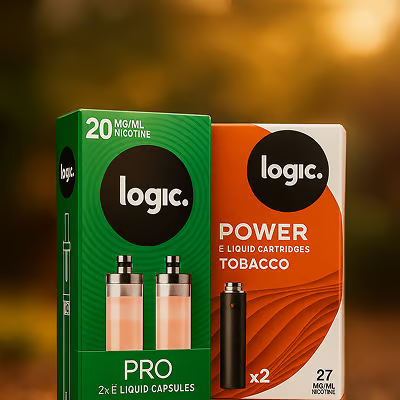
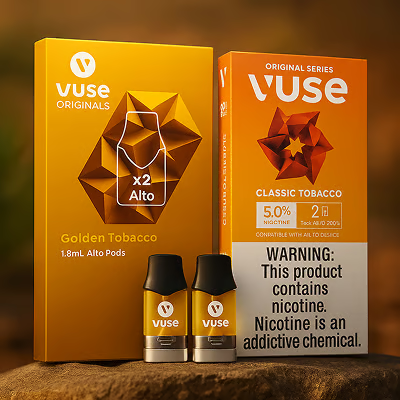
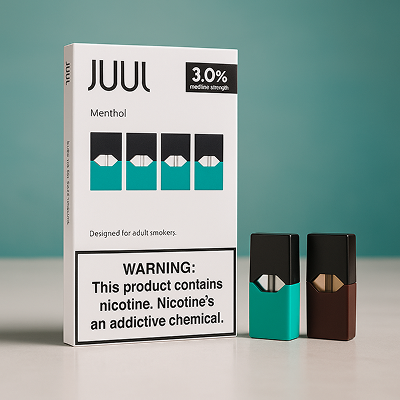
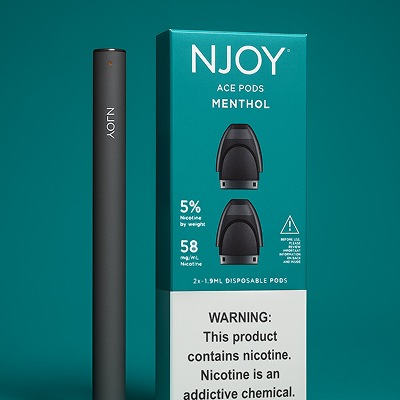
The right device makes all the difference when switching from cigarettes to e-cigs. But for many older smokers, simpler devices tend to be what works best:
- Prefilled pod systems
- Disposable e-cigs
- Compact draw-activated devices
These options usually feel more intuitive and require less maintenance than advanced customizable systems. Additionally, many former smokers also prefer tobacco or menthol flavors initially because they feel more familiar during the adjustment period.
How to Pick the Right Nicotine Strength
Nicotine strength is one of the most important parts of a successful transition. This is because smokers coming from heavier cigarette use need higher nicotine strengths initially to curb their cravings.
General starting guidelines:
- Light smokers: Lower nicotine strengths
- Moderate smokers: Mid-range strengths
- Heavy smokers: Higher nicotine salt options
Choosing nicotine that is too weak is one of the biggest reasons people struggle with quitting cigarettes with a vape. Over time, many users gradually reduce nicotine levels once they become comfortable with vaping as a smoking alternative.
Tips to Make the Transition Easier
Don’t rush the adjustment period: The first few weeks may feel different from smoking so be sure to give yourself time to adapt.
Use the right nicotine strength: If cravings remain strong, consider making adjustments to your nicotine strength.
Keep your device charged: A dead battery during heavy cravings can quickly lead back to smoking combustible cigarettes.
Start with using familiar flavors: Tobacco and menthol flavors often help simplify the smoking to vaping transition for older smokers.
Stay hydrated: Drinking water helps reduce dry mouth and throat irritation.
Avoid comparing every puff to a combustible cigarette: Vaping feels different because it is different. Many successful former smokers found the transition easier once they stopped expecting an identical experience.
How Long Before You Feel the Benefits?
The timeline can vary from person to person, but many smokers notice early changes within days or weeks—long-term users start to see gradual improvements as they fully move away from traditional cigarettes.
Some commonly report the benefits of switching from smoking to vaping to include:
- Reduced smoke smell
- Improved breath freshness
- Better taste and smell sensitivity
- Less coughing from smoke exposure
- Easier breathing during activity
So, how long does it take to adjust to vaping? For some, it takes days. For others, several weeks of experimentation with nicotine strength, flavors, and devices may be necessary. Just be kind to yourself throughout the process.
FAQs
What should I expect when switching to vaping?
Most people experience an adjustment period that may include dry mouth, coughing, or nicotine experimentation before finding the right setup.
Is vaping better than smoking?
Many adult smokers view vaping as a smoking alternative because it eliminates combustion and smoke. However, vaping is not entirely risk-free.
How do I switch from cigarettes to vaping successfully?
Using the correct nicotine strength, choosing a simple device, and allowing time to adjust can improve the transition process.
How long does it take to adjust to vaping?
Some people adjust within days, while others may need several weeks to become fully comfortable with vaping.
What are the benefits of switching from smoking to vaping?
Users often report less smoke smell, improved taste and smell, reduced coughing, and greater flexibility compared to cigarettes.
Can vaping help with smoking cessation?
Many adult smokers use vaping as part of their smoking cessation vaping 2026 strategy, particularly when moving away from combustible cigarettes.