





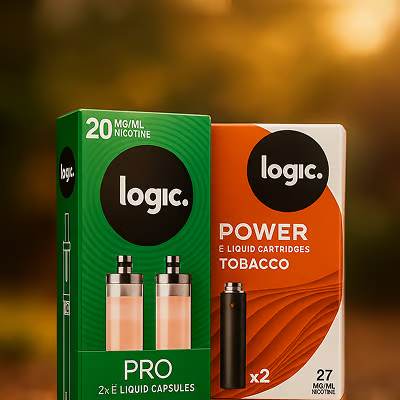



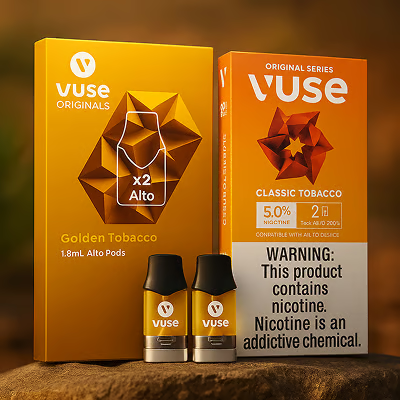



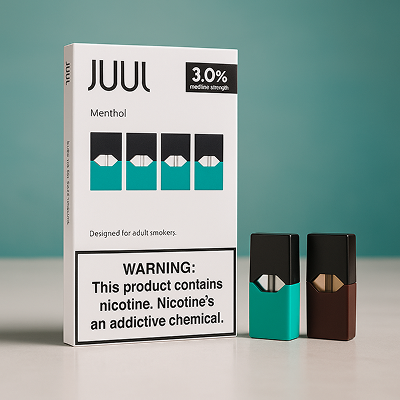






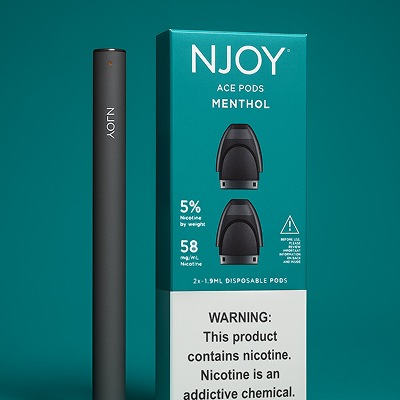




Questions about second hand vape smoke have become more common as vaping continues to replace traditional cigarettes for many adults. Whether it’s a family member vaping indoors, someone using a device in a shared outdoor space, or concerns about children being nearby, we all want to understand what exposure to vapor can actually mean. Unlike combustible cigarette smoke, vapor from devices such as Logic and JUUL e-cigs is not produced through combustion. That difference changes both the chemical makeup and the overall level of exposure. Still, many wonder: is second-hand vape smoke harmful, and are there real passive vaping dangers to consider? The answer isn’t a simple yes or no with factors like ventilation, frequency of exposure, device type, and nicotine strength all playing a role.
What is Second-Hand Vape Smoke?
When someone exhales after using an e-cigarette, the cloud released into the air contains tiny particles from heated e-liquid. This is second-hand vape smoke. With popular devices like Logic and JUUL e-cigs heating the liquid rather than burning tobacco, the lack of combustion produces a vapor that does not contain tar or many of the toxic byproducts associated with traditional cigarette smoke. However, the aerosol can still include substances such as:
- Nicotine
- Propylene glycol
- Vegetable glycerin
- Flavoring compounds
- Small amounts of volatile organic compounds (VOCs)
- Ultrafine particles
It’s important to mention that while many people casually refer to it as smoke, vapor behaves differently in the air and typically dissipates faster than traditional cigarette smoke.
Is Second-Hand Vape Smoke the Same as Second-Hand Cigarette Smoke?
No. While traditional cigarette smoke contains thousands of chemicals created by burning tobacco, including carbon monoxide, tar, and many carcinogens, second-hand e-cigarette smoke, by comparison, is generally considered less harmful because it comes from heated liquid rather than combustion. This distinction matters when discussing indoor vaping health risks and passive vaping 2026 concerns. However, “less harmful” does not automatically mean harmless. People with asthma or respiratory sensitivities may notice irritation from vapor exposure, even when nicotine-free products are used.
What Chemicals are in Second-Hand Vapor?
The contents of second-hand vapor depend heavily on the device and e-liquid being used. Products such as Logic and JUUL e-cigs contain FDA-approval because they’re designed with no added ingredients, but many vapor aerosols contain the following core ingredients.
Nicotine
If the e-liquid contains nicotine, small amounts may be released into the surrounding air. While exposure levels for bystanders are much lower than direct vaping, nicotine can still be detected in indoor environments where vaping occurs frequently.
Ultrafine Particles
These microscopic particles are created during the heating process, with recent research now starting to better understand and study how long-term exposure affects lung health.
Flavoring
Some vape flavors contain compounds that may irritate the respiratory system when inhaled repeatedly. While these are typically present at much lower levels than combustible cigarette smoke toxins, they remain something to be considered.
VOCs and Trace Metals
Certain devices sold from unlicensed and unregulated vendors may emit small traces of metals or volatile organic compounds, particularly at higher temperatures or with older hardware. Thankfully, nothing that’s sold on our website!
What Does Research Say About the Risks?
Current research generally agrees on several key points:
- Vaping produces fewer harmful chemicals than smoking
- Second-hand vapor exposure is lower risk than second-hand combustible cigarette smoke
- Long-term data is still developing
This is important because vaping itself is relatively new compared to decades of cigarette research. Scientists continue evaluating second-hand vapor health risks as newer studies emerge. For most healthy adults, occasional exposure is not currently believed to carry the same serious health risks associated with second-hand cigarette smoke. Still, public health experts often recommend minimizing unnecessary exposure indoors, especially in confined spaces.
Is it Dangerous for Children and Pregnant Women?
This is where health authorities tend to take a more cautious approach. Since children, infants, and pregnant women are generally considered more sensitive to airborne chemicals, including nicotine exposure. Because of that, it’s recommended to avoid vaping around these vulnerable individuals.
With pregnant women being advised to avoid unnecessary nicotine exposure from any source, second-hand vaping and children remains an active area of research, particularly regarding:
- Lung development
- Respiratory sensitivity
- Nicotine exposure
- Indoor air quality
Even though passive vaping dangers appear lower than combustible cigarette smoke exposure, caution is still recommended in homes, vehicles, and enclosed spaces where children or pregnant women are present.
Where is Vaping Around Others Restricted?
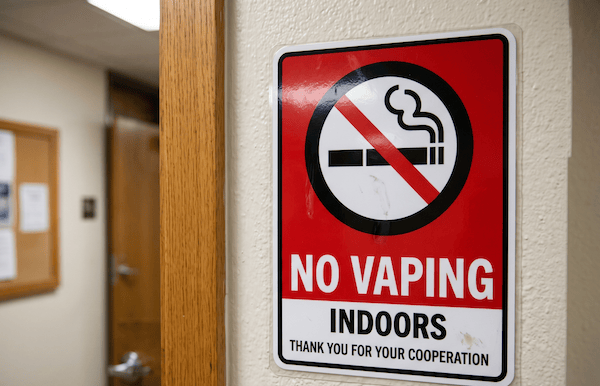
Vaping laws vary depending on the province, state, or municipality. However, in many places, vaping restrictions now mirror smoking regulations.
Common restricted locations include:
- Restaurants
- Bars
- Public transit
- Schools
- Workplaces
- Hospitals
- Shared indoor spaces
While some businesses and property owners also establish their own policies, having regulations to address indoor vaping health risks are designed for public comfort and exposure concerns in shared environments.
How to Vape Responsibly Around Others
Being considerate goes a long way when vaping in shared spaces.
Avoid Vaping Indoors Around Non-Users
Even if second-hand vape smoke is generally considered lower risk than combustible cigarettes, not everyone wants exposure to vapor in enclosed areas.
Keep Your Distance in Public Spaces
Crowded patios, entrances, and transit stops may not be ideal places to vape.
Respect Family Preferences
Some households may prefer no vaping indoors, particularly around children or pets.
FAQs
Is second-hand vape smoke harmful?
Research suggests it is generally less harmful than second-hand combustible cigarette smoke, but it is not completely risk-free.
Can second-hand vape smoke hurt you?
Occasional exposure is unlikely to affect most healthy adults significantly, though people with respiratory conditions may experience irritation.
Is vape smoke safe for bystanders?
Current evidence suggests reduced risk compared to traditional cigarettes, but experts still recommend limiting exposure indoors.
Are children more vulnerable to second-hand vapor?
Yes. Health authorities advise avoiding vaping around children and infants whenever possible.
Are passive vaping dangers the same as smoking dangers?
No. Most studies show lower exposure levels and fewer harmful chemicals compared to combustible cigarette smoke, though long-term research is ongoing.