




















If you've ever taken a puff of your favorite vape only to realize the flavor isn't as vibrant as it used to be, you're not imagining it. Many vapers, especially those who have recently switched from smoking, notice changes in how they experience flavors and aromas over time. This often leads to one common question: does vaping affect your sense of taste or smell?
The short answer is yes—but usually not in the way you might think. While vaping can temporarily affect how you perceive flavors, the changes are often linked to factors such as dehydration, the ingredients in your e-liquid, nicotine strength, or even using the same flavor for too long. In many cases, these effects are temporary and can be improved with a few simple adjustments.
For ex-smokers, it's also worth remembering that quitting cigarettes often improves both taste and smell within weeks. This means that any temporary changes caused by vaping are usually very different from the long-term damage associated with smoking tobacco. In this guide, we'll explain why vaping and taste buds are closely connected, what causes the condition known as vape tongue, whether nicotine plays a role, and what you can do to keep every puff tasting as satisfying as possible.
Does Vaping Affect Your Sense of Taste or Smell? The Short Answer
So, does vaping affect your sense of taste or smell? Yes, but for most people the effect is temporary rather than permanent. Since vaping introduces vapor into your mouth and nose, where your taste buds and smell receptors work together to create flavor, both of these senses become less responsive and your favorite e-liquid may suddenly taste muted or bland.
Several factors can contribute to this, including:
- Dry mouth caused by vaping
- The PG/VG ratio in your e-liquid
- Nicotine strength
- Using the same flavor repeatedly
- Dehydration
- General illness or allergies
Research into vaping and sense of smell is still ongoing, but current evidence suggests that vaping is considerably less harmful to these senses than smoking combustible cigarettes. In fact, many former smokers experience an improvement in both taste and smell after switching to vaping because they are no longer exposed to the thousands of chemicals produced by burning tobacco.
However, that doesn't mean vaping can't temporarily reduce flavor perception. This is where the term vape tongue comes in.
What is Vape Tongue?
If your favorite vape suddenly tastes like almost nothing, you're probably experiencing vape tongue. Vape tongue is a temporary condition where flavors become noticeably weaker or disappear altogether. Despite the name, it doesn't mean there's anything wrong with your tongue itself. Instead, it's usually caused by your taste receptors becoming less sensitive after repeated exposure to the same flavors.
Many vapers notice vape tongue after using one e-liquid flavor exclusively for several days or weeks. Your brain becomes so accustomed to that flavor that it begins filtering it out, much like how you stop noticing a familiar perfume after wearing it for a while.
Common symptoms include:
- Flavors tasting weak or muted
- Difficulty distinguishing between different e-liquids
- A dry mouth
- Reduced enjoyment when vaping
- Normal tasting food but bland vape flavors
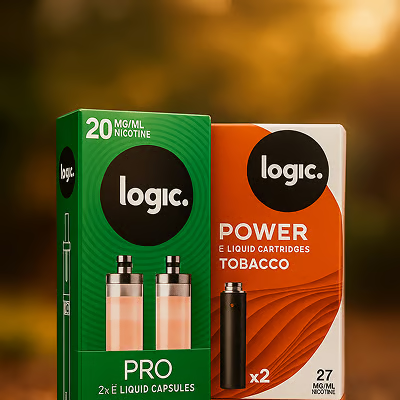
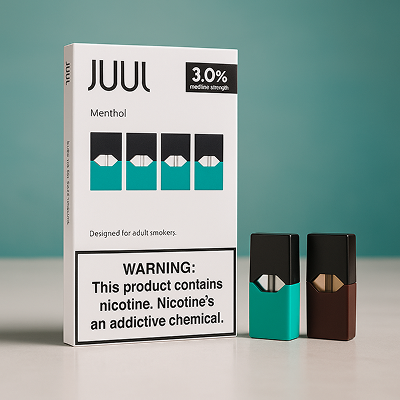
The good news is that vape tongue is usually temporary and often resolves within a few hours or days. For those looking to avoid flavor fatigue, we recommend switching between different flavor profiles. Here at I Love Ecigs we stock a wide range of disposable and refillable options from trusted brands including JUUL and Logic, making it easy to rotate between fruit, menthol and tobacco-inspired flavors rather than sticking to just one.
How PG and VG Can Dull Your Taste Buds
One of the biggest contributors to vaping and taste buds is the balance between PG (propylene glycol) and VG (vegetable glycerine). These two ingredients form the base of almost every vape juice.
Propylene Glycol (PG)
PG is excellent at carrying flavor and delivering a stronger throat hit. However, it also attracts moisture, which can leave your mouth feeling dry. A dry mouth makes it harder for taste buds to function properly because saliva plays an important role in detecting flavor. This is one reason why some people wonder, does vape juice affect taste buds?
Vegetable Glycerine (VG)
VG is thicker and creates larger clouds of vapor. It's naturally sweeter than PG and produces a smoother inhale. High-VG liquids generally don't dry the mouth as much, but because they're thicker, some users find the flavor slightly less intense compared to higher-PG blends. Finding the right balance often comes down to personal preference and your vaping device.
If you notice flavors becoming muted, experimenting with different e-liquid ratios help restore a richer vaping experience.
Does Nicotine Play a Role?
Another common question is does nicotine affect taste? It’s important that you know that nicotine has several effects that may influence how you experience flavor. Firstly, nicotine can reduce saliva production, contributing to dry mouth. Since saliva helps dissolve flavor molecules so they reach your taste receptors, less saliva can mean less flavor. Secondly, nicotine temporarily constricts blood vessels. Some researchers believe this may slightly reduce blood flow to the taste buds, although more research is needed to understand exactly how significant this effect is for regular vapers.
That said, can vaping cause loss of taste long-term? While nicotine may contribute to temporary changes, once hydration levels increase or nicotine intake is reduced, taste usually improves. So, if you've recently switched from combustible cigarettes, it's also worth remembering that your taste buds are still recovering from smoking. Many ex-smokers report that flavors become stronger over several weeks or months after making the switch, even if they occasionally experience vape tongue.
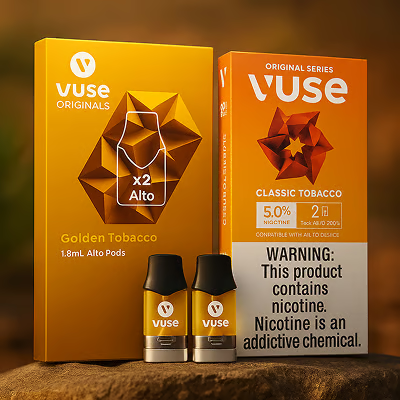
Moreover, if you're finding your current nicotine strength affects flavor enjoyment, I Love Ecigs offers a variety of nicotine strengths across popular products like JUUL pods and Vuse vape kits, allowing adult users to choose an option that best suits their preferences while maintaining flavor quality.
Additionally, by understanding how hydration, nicotine and e-liquid ingredients work together, you'll be in a much better position to enjoy consistently satisfying flavor from your vape.
Flavor Fatigue: Why the Same Juice Tastes Weaker Over Time
Have you ever noticed that your favorite vape flavor seems less exciting after using it for a while? If so, you're likely experiencing flavor fatigue vaping, a common issue that affects many regular vapers. Flavor fatigue occurs when your brain and taste receptors become so familiar with a particular flavor that they gradually stop recognizing it as intensely. The flavour is still there, but your senses aren't responding to it in the same way.
Unlike vape tongue, which can involve a temporary reduction in your ability to taste most or all vape flavors, flavor fatigue is usually limited to a specific e-liquid. You may find that another flavor tastes perfectly normal while your usual choice seems weak or flavorless.
Some of the most common causes of flavor fatigue include:
- Using the same vape juice every day.
- Vaping frequently throughout the day.
- Dry mouth or dehydration.
- Not replacing an old or burnt coil.
- Reduced sensitivity due to nicotine or illness.
Fortunately, flavor fatigue is one of the easiest issues to overcome. Rotating between different flavor profiles—such as fruit, menthol, and tobacco—can help keep your taste buds engaged.
Can Vaping Affect Your Sense of Smell Too?
Taste and smell are closely connected, so it's natural to wonder about vaping and sense of smell as well. Your sense of smell comes from specialized receptors located inside your nose. These receptors detect aroma molecules, which your brain combines with signals from your taste buds to create the flavors you experience while eating, drinking, or vaping. Because these two senses work together, a temporary reduction in your ability to smell can make vape flavors seem much weaker.
Temporary changes are more commonly linked to factors such as:
- Nasal congestion.
- Seasonal allergies.
- Colds or viral infections.
- Dry nasal passages.
- Dehydration.
- Frequent exposure to the same aromas.
Many adult smokers actually experience an improvement in both taste and smell after switching away from traditional cigarettes because smoking is known to damage the sensory receptors involved in flavor perception. If you've recently quit smoking, you may notice your senses fluctuating as your body adjusts. Some days flavors may seem incredibly strong, while other days they may feel muted. This is a normal part of the recovery process for many ex-smokers.
Is the Effect Permanent or Temporary?
One of the biggest concerns among new vapers is whether these changes are permanent. For most people, the answer is no. Temporary changes in flavor perception are far more common than permanent ones. In many cases, “does vaping dull your taste buds” can be answered with "temporarily." Factors like dehydration, nicotine, flavor fatigue, and dry mouth usually improve once the underlying issue is addressed.
So, can vaping cause loss of taste? It's important to distinguish between short-term changes and ongoing medical conditions.
Temporary changes often improve after:
- Drinking more water.
- Taking a short break from vaping.
- Switching to a different flavor.
- Replacing your vape coil.
- Reducing nicotine strength if appropriate.
- Maintaining good oral hygiene.
However, persistent loss of taste or smell is much less likely to be caused by vaping alone. Illnesses, certain medications, sinus problems, and other medical conditions are all more common causes of long-lasting sensory changes. If your symptoms continue despite making adjustments, or if they interfere with eating and drinking, it's worth seeking advice from a healthcare professional.
How to Reset Your Taste Buds While Vaping
If you've been searching for how to get taste back after vaping, the good news is that there are several simple strategies that help to restore your enjoyment.
Stay Hydrated
Vaping can contribute to dry mouth, particularly when using higher-PG e-liquids. Drinking plenty of water throughout the day helps keep your mouth hydrated and supports healthy taste function.
Switch Flavors
Changing from a fruit flavor to menthol or tobacco can help break flavor fatigue. Many experienced vapers regularly rotate flavors to prevent vape tongue from developing.
Clean Your Device
Residue can build up inside your pod or tank over time, affecting flavor quality. Cleaning your device and replacing worn coils can make a noticeable difference.
Take Short Breaks
If you've been vaping continuously, giving your taste buds a short rest may help restore flavor perception.
Practice Good Oral Hygiene
Brushing your teeth, cleaning your tongue, and staying on top of your oral care routine can all contribute to a fresher mouth and a better vaping experience.
Consider Your Nicotine Strength
If you're experiencing persistent dryness, choosing a lower nicotine strength—where appropriate for your needs—may improve comfort and flavor perception.
FAQs About Vaping, Taste, and Smell
Does vaping affect your sense of taste or smell?
Yes, it can temporarily affect both. Dry mouth, dehydration, nicotine, and flavor fatigue are among the most common reasons vape flavors may seem weaker. For most people, these changes are only temporary.
Can vaping cause loss of taste?
Temporary changes in flavor perception are relatively common, especially when experiencing vape tongue or dehydration. Persistent loss of taste should be discussed with a healthcare professional, as other medical causes may be involved.
Does nicotine affect taste?
Nicotine may contribute to dry mouth and temporarily reduce flavor perception for some users. Hydration and choosing an appropriate nicotine strength may help improve your vaping experience.
Does vaping dull your taste buds?
It can temporarily make flavors seem less intense, but this is usually linked to dry mouth, repeated exposure to the same flavor, or device maintenance rather than permanent damage to your taste buds.
Does vape juice affect taste buds?
Certain e-liquids—particularly those with higher PG content—may contribute to dryness, which can reduce your ability to taste flavors temporarily. Staying hydrated and experimenting with different e-liquid formulations can often help.
How do I get my taste back after vaping?
If you're wondering how to get taste back after vaping, try drinking more water, switching flavors, replacing your coil, cleaning your device, and taking a short break from vaping. Most cases of vape tongue improve within a few days.